Country blends direct and proportional voting
Nepal Elections 2026: Why voters use two ballots and how the mixed electoral system works
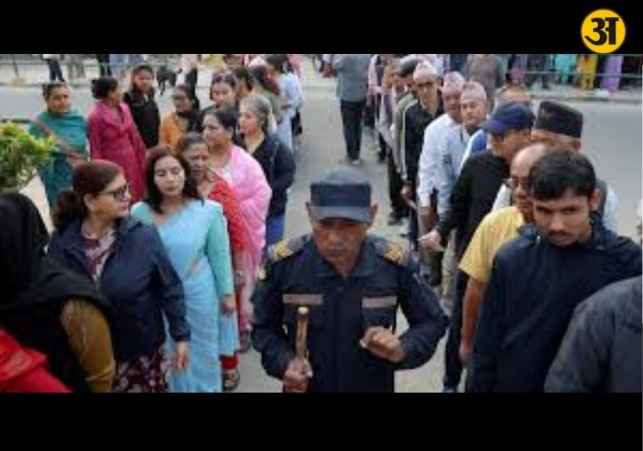
Nepal is holding national elections after a year of political unrest. These elections are important because they will decide the 275 members of the House of Representatives and determine who forms the next government.
The country went to the polls after protests forced former prime minister KP Sharma Oli to step down in September 2025. Since then, Nepal has been run by an interim government led by former chief justice Sushila Karki. She had promised to hold elections within six months, and the vote is now taking place.
Nearly 19 million people are eligible to vote in a country with a population of about 30 million. What makes Nepal’s election special is that voters use two different types of ballots. This is because Nepal follows a mixed electoral system.
How the mixed system works
Nepal uses a mixed electoral model. This system combines two methods of voting: First Past the Post (FPTP) and Proportional Representation (PR). The goal is to balance local representation with fair national representation of political parties.
Under the First Past the Post system, 165 out of the 275 seats are decided. The country is divided into 165 constituencies. In each area, voters choose one candidate. The candidate who gets the highest number of votes wins the seat. It does not matter if the winner gets less than 50 percent of the votes. The person with the most votes wins.
This system is simple and easy to understand. It allows people to choose a local representative who belongs to their area. Voters know exactly who they are electing to represent their constituency in Parliament.
The second system is Proportional Representation. In this method, 110 seats are filled. Instead of voting for a person, voters cast a separate ballot for a political party. The total number of votes each party receives across the country decides how many of these 110 seats it will get.
For example, if a party gets 20 percent of the total PR votes, it will receive about 20 percent of the 110 seats. This system gives smaller parties a better chance to enter Parliament.
Because of this mixed system, voters in Nepal receive two ballot papers. One is for choosing a local candidate. The other is for choosing a political party.
The mixed system is designed to prevent one party from dominating Parliament too easily. It also ensures that minority groups and smaller parties get some representation.
ALSO READ: US Embassy in Riyadh hit by suspected Iranian drones; Trump warns response coming soon
ALSO READ: Israel-US strikes on Iran trigger regional emergency; explosions reported across Gulf
Why results may take time
The Election Commission has said that results for the 165 directly elected seats may be announced within 24 hours after all ballot boxes are collected. However, collecting ballot boxes in Nepal is not easy.
Many polling stations are located in remote mountain areas. In some places, ballot boxes must be carried by hand for long distances. In other areas, helicopters are used to transport them. This makes the process slow and difficult.
The results for the 110 proportional representation seats may take two to three more days. Counting PR votes takes longer because officials must calculate the national vote share of each party and then decide how many seats each one gets.
In the last national election in 2022, it took more than two weeks to declare the final results. One reason for delays is that political parties send representatives to counting centres. These representatives watch the counting process closely. Sometimes they raise objections about vote validity or counting methods, which can slow things down.
Despite these challenges, election officials say they are prepared. They hope to complete the process smoothly and fairly.
The outcome of this election is very important. It will decide the makeup of the House of Representatives and determine which party or coalition forms the next government. Nepal’s political history shows that coalition governments are common because no single party often wins a full majority.
The mixed electoral system reflects Nepal’s attempt to create a more balanced democracy. By combining direct local voting with national proportional voting, the country tries to give both individuals and parties a fair chance.
As people cast their two ballots, they are not just choosing leaders. They are also shaping the future direction of the country after a period of instability. The coming days will show how the mixed system works in practice and what kind of government Nepal will have next.
Related News
.jpg)